

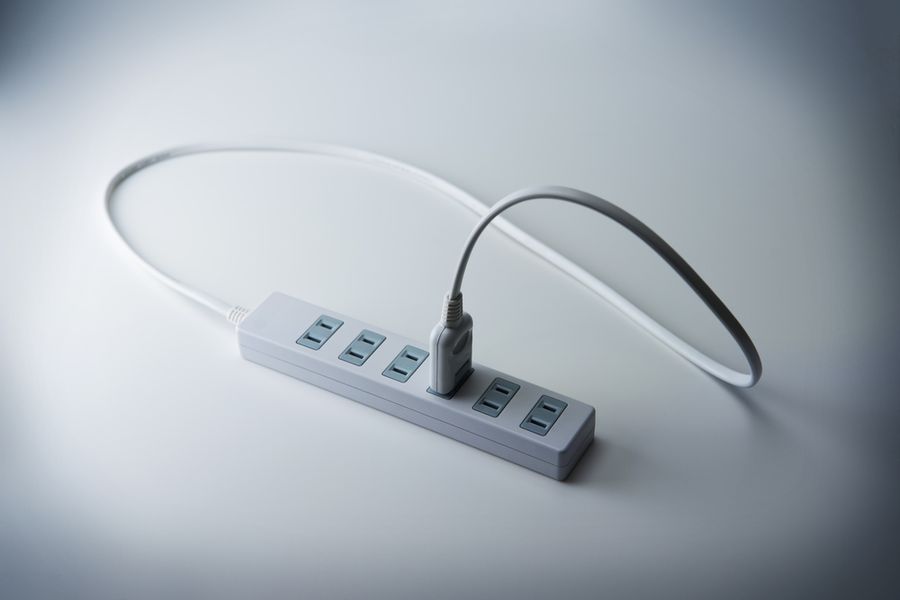
Many homes in the United States use electricity even when devices appear to be turned off. TVs, game consoles, computers, and chargers often draw power in standby mode. Such hidden use can quietly raise energy bills over time. Key tools are designed to address the problem by cutting power to devices when they are not in use. By reducing standby energy consumption, smart power strips help lower waste without changing daily routines.
What Standby Energy Consumption Is
Standby energy consumption, sometimes called phantom power, happens when devices continue to use electricity while switched off or idle. Common examples include televisions waiting for a remote signal, printers staying warm, or chargers plugged in without a device attached.
Each device may use only a small amount of power, but the total adds up when many items stay plugged in all day and night. Over months and years, this constant draw can increase household electricity use without providing any real benefit.
Because standby use is silent and invisible, many households are unaware it is happening. Smart power strips are built to make this waste easier to control.
How Smart Power Strips Work
Smart power strips look similar to standard power strips, but they include built-in controls that manage electricity flow . Instead of supplying power to every outlet at all times, they shut off power to certain outlets when devices are not in active use.
Some models use a “control outlet.” When the main device plugged into that outlet, such as a TV or computer, is turned off, the strip automatically cuts power to other connected devices. These might include speakers, gaming systems, or accessories.
Other smart power strips use motion sensors, timers, or current detection to decide when to stop power. The goal is the same in all cases: prevent devices from drawing electricity when they are not needed.
Devices That Benefit Most From Smart Power Strips
Not every device is a good fit for a smart power strip. Items that need constant power, such as internet routers or medical equipment, should stay plugged into regular outlets or always-on ports.
Smart power strips work best with electronics used in groups. Entertainment centers are a common example. A TV, streaming device, sound system, and game console often sit idle for long periods. A smart strip can shut them all down at once when the TV is turned off.
Home office setups also benefit. Computers, monitors, printers, and desk lamps often stay plugged in even when not used. Smart strips can stop standby use without requiring each device to be unplugged.
Easy Setup Without Daily Effort
One advantage of smart power strips is simple setup. Most models work right out of the box. Devices are plugged into labeled outlets, and the strip handles the rest.
Once installed, no daily action is required. There is no need to remember to flip switches or unplug cords. The automatic design supports energy savings without ongoing effort.
Some smart power strips include basic instructions or diagrams to help choose which outlets to use for which devices. After setup, the system runs quietly in the background.
Safety and Equipment Protection
Smart power strips can also support safety and equipment care. Many include surge protection, which helps protect devices from sudden voltage spikes. This is useful for sensitive electronics like computers and televisions.
By cutting power when devices are not in use, smart strips may also reduce wear. Devices that stay in standby mode generate small amounts of heat over time. Reducing this can help extend the life of electronics, although it does not replace proper maintenance.
It is still important to choose a power strip that matches the needs of the devices being used. Reading manufacturer guidelines helps avoid overloads or improper connections.
Smart Power Strips vs. Manual Switching
Some people try to reduce standby power by turning off power strips manually. While this works, it relies on memory and daily habits. Forgetting to switch off the strip brings the same standby problem back.
Smart power strips remove that step. Automation ensures that power is cut every time conditions are met, not only when someone remembers. This consistency is what makes them effective over the long term.
For households looking to reduce energy use without adding new tasks, smart power strips offer a practical solution.
Where Smart Power Strips Make the Biggest Difference
Smart power strips are most effective in areas with many electronics. Living rooms, bedrooms, and home offices are common places where multiple devices sit idle for hours.
Using smart strips in these spaces targets the largest sources of standby power. Kitchens and laundry rooms usually have fewer devices that benefit from this approach, as many appliances need constant power or are used briefly.
Placing smart power strips where electronics are grouped helps maximize their impact without spreading them throughout the home.
Combining Smart Power Strips With Other Energy Habits
Smart power strips work well alongside other energy-saving habits. Using energy-efficient devices, turning off lights when leaving a room, and adjusting thermostat settings all contribute to lower overall use.
The benefit of smart strips is that they handle one specific problem automatically. This allows households to focus on other changes without worrying about standby waste.
Over time, combining small improvements leads to more noticeable results.
A Simple Way to Cut Hidden Energy Use
Smart power strips reduce standby energy consumption by shutting off power to devices that are not in use. They work quietly, require little setup, and do not depend on daily habits.
By targeting electronics that draw power even when idle, they help reduce waste and support lower energy use over time. For households looking for an easy way to address hidden electricity costs, smart power strips offer a simple and effective solution.