

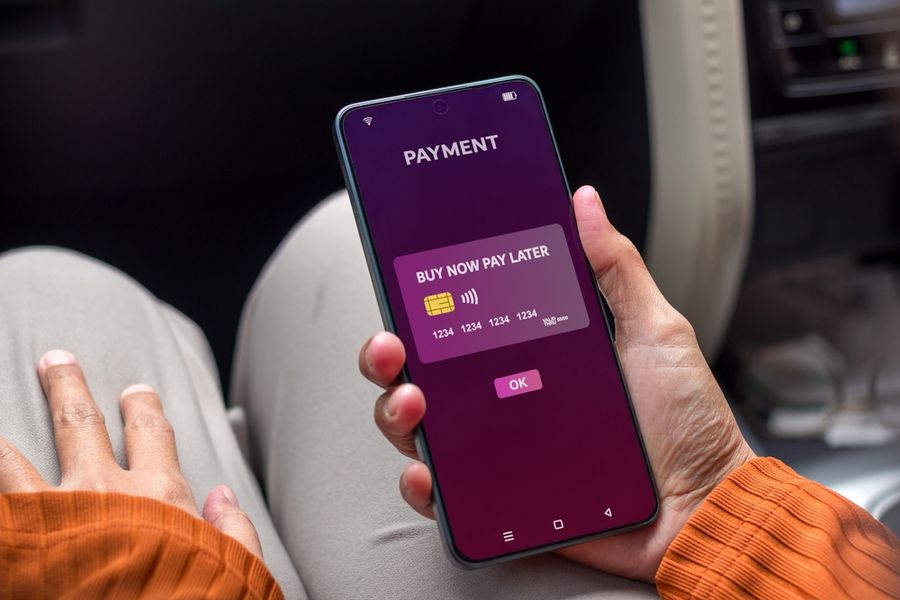
Buy Now, Pay Later services have become common in online and in-store shopping across the United States. Such tools allow purchases to be split into smaller payments over time, often with little or no interest if paid as agreed. For many shoppers, it feels easier than using a credit card. However, the real impact depends on how key services are used. Understanding both the benefits and drawbacks helps avoid unexpected costs and payment stress.
How Buy Now, Pay Later Services Work
Buy Now, Pay Later services allow shoppers to divide a purchase into several payments. These payments are usually scheduled over a short period and may be deducted automatically from a bank account or card. Approval is often quick, and the checkout process is simple.
Unlike traditional credit cards, these services are tied to individual purchases. Each purchase becomes its own payment plan. This can make costs feel smaller at first, even though the total amount is the same.
Some services charge fees for late payments, while others may restrict account access if payments are missed. The rules vary by provider, which makes it important to review terms before using any service.
Pro: The Potential Benefits for Budgeting
One benefit of Buy Now, Pay Later services is short-term flexibility. Spreading payments can help manage cash flow, especially for planned purchases. This can be helpful when expenses are uneven from month to month.
These services can also reduce the need to carry a credit card balance. When payments are made on time, interest may be avoided altogether . For people who struggle with high credit card interest, this can be appealing.
The clear payment schedule can also help some users stay organized. Knowing exactly when and how much will be paid may feel easier than tracking a rotating credit card balance.
Con: Risks of Overspending and Stacked Payments
The biggest risk of Buy Now, Pay Later services is overspending. Because each purchase is split into smaller payments, it can feel more affordable than it really is. This can lead to taking on more payment plans than expected.
When multiple plans overlap, payments can stack up quickly. What started as small amounts can turn into a large monthly obligation. This makes budgeting harder and increases the risk of missed payments.
Missing a payment can lead to fees or account limits. In some cases, repeated issues may affect the ability to use the service in the future. While the initial process feels easy, managing several plans at once requires careful attention.
Impact on Credit and Financial Records
The effect of Buy Now, Pay Later services on credit varies. Some providers do not report on-time payments, while others may report missed payments or defaults. This means the service may not help build credit , even when used responsibly.
If a payment problem occurs and is sent to collections, it can have a negative impact. This risk is often overlooked because the service feels less formal than a loan or credit card.
Another concern is record keeping. Because each purchase is separate, tracking total spending across services can be difficult. Without careful monitoring, it is easy to lose sight of how much is owed overall.
Fees, Returns, and Dispute Issues
Buy Now, Pay Later services can involve fees, especially when payments are late. These fees may seem small but can add up if multiple payments are missed.
Returns can also be more complicated. When an item is returned, refunds may need to be processed through both the retailer and the payment service. This can take time and may affect scheduled payments in the meantime.
Disputes can be harder to resolve than with a credit card. Credit cards often offer clear dispute protections. Buy Now, Pay Later services may have different rules, which can limit options if a purchase goes wrong.
When These Services Make Sense
Buy Now, Pay Later services may make sense for planned purchases with a clear payoff timeline. They work best when used sparingly and tracked carefully. Setting reminders and limiting the number of active plans can help reduce risk.
They are less suited for everyday spending or impulse buys. Using them for frequent purchases increases the chance of payment overlap and budget strain.
Understanding personal spending habits is key. These services are tools, not solutions. Used with care, they can support short-term planning. Used without limits, they can create new financial stress.
Convenience With Clear Trade-Offs
Buy Now, Pay Later services offer convenience and flexibility, but they also carry risks. The main benefits are easier payments and short-term cash flow help. The main drawbacks are overspending, stacked payments, and limited credit benefits.
For shoppers in the United States, the best approach is cautious use with clear limits. Knowing when to use these services, and when to avoid them, helps prevent small purchases from turning into bigger financial problems.