

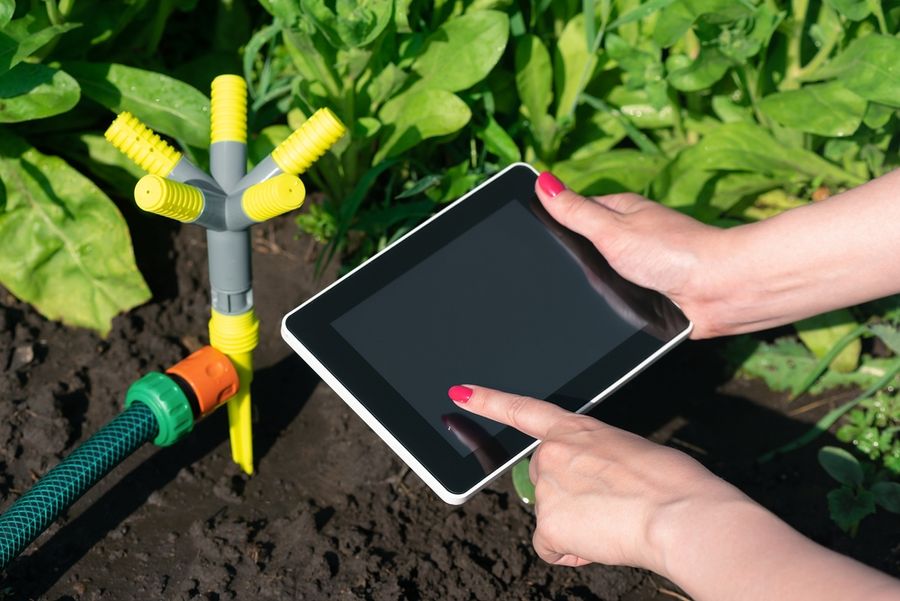
Outdoor watering is a major source of water use for many households in the United States. Traditional sprinkler timers often run on fixed schedules that lead to wasted water and higher utility bills. Smart sprinkler controllers offer a more flexible approach. By adjusting watering based on weather, soil needs, and plant types, top systems help maintain healthy lawns and gardens while reducing unnecessary water use over time.
How Smart Sprinkler Controllers Work
Smart sprinkler controllers replace or upgrade standard irrigation timers. Instead of following a rigid schedule, they use data to decide when and how much to water. Many connect to Wi-Fi and pull local weather information, including rainfall, temperature, and humidity.
When rain is expected or has already fallen, the system can delay or skip watering. During hot or dry periods, it can adjust watering times to support plant health without excess use. This responsiveness is what helps prevent overwatering while still keeping landscapes healthy.
Most systems are controlled through a phone app or web dashboard . This makes it easier to review schedules, make changes, and monitor water use without manually adjusting the controller at the box.
Reducing Overwatering Through Weather Awareness
Overwatering is often caused by sprinklers running during or after rain. Smart controllers are designed to prevent this by responding to real-time or forecasted weather . Rain delay features stop watering when enough moisture is already present.
Some systems also adjust for evaporation. On very hot or windy days, water can evaporate quickly. Smart controllers may water during cooler parts of the day to reduce waste. This targeted timing helps more water reach plant roots instead of evaporating into the air.
By responding to actual conditions instead of guesses, smart controllers reduce water use without stressing plants. This balance is key to lowering water bills while maintaining curb appeal.
Custom Zones for Different Plants and Soil
Not all parts of a yard need the same amount of water. Grass, shrubs, trees, and garden beds all have different needs. Smart sprinkler controllers allow watering zones to be set up based on plant type and soil conditions.
For example, shaded areas may need less water than sunny ones. Sandy soil drains faster than clay soil and may require shorter but more frequent watering. Smart systems allow these differences to be built into the schedule.
This level of control helps avoid the common problem of watering everything the same way. Over time, better zoning leads to healthier plants and less wasted water.
Leak Detection and Usage Alerts
Another way smart sprinkler controllers reduce water bills is by helping catch problems early. Some systems track water flow and can alert users if something looks wrong. This may include broken sprinkler heads, leaking lines , or valves stuck open.
Early alerts help prevent long periods of wasted water. A small leak can quietly increase water use if it goes unnoticed. Smart notifications allow quick action before the issue becomes costly.
Usage summaries also help homeowners understand how much water the system is using over time. Seeing patterns can make it easier to adjust settings and spot inefficiencies.
Seasonal Adjustments Without Manual Changes
Traditional sprinkler timers often require manual changes as seasons shift. If settings are not updated, systems may overwater during cooler months or underwater during peak heat.
Smart controllers handle these changes automatically. As temperatures drop or daylight hours shorten, watering schedules adjust. In spring and summer, the system can respond to rising heat and plant growth needs.
This automatic adjustment reduces the risk of forgetting to update the system. It also helps keep water use aligned with real needs instead of outdated settings.
Installation and Learning Curve
Installing a smart sprinkler controller is often similar to replacing a standard controller. Many models are designed to work with existing wiring and valves. Setup usually involves connecting the controller to Wi-Fi and entering basic information about the yard.
There is a short learning period. Users may need time to understand zone settings and app controls. However, most systems are designed to be user-friendly and provide guidance during setup.
Once configured, daily involvement is minimal. The controller handles routine decisions, which helps maintain savings without constant attention.
Long-Term Impact on Water Use
The biggest benefit of smart sprinkler controllers comes over time. Small reductions in watering add up across weeks, months, and years. Avoiding unnecessary watering during rain, heat waves, or seasonal shifts leads to steady savings.
These systems also encourage better habits. By making water use visible and adjustable, they help users think more carefully about outdoor watering. This awareness supports long-term efficiency beyond the controller itself.
Smarter Watering Without Sacrificing Plant Health
Smart sprinkler controllers reduce water bills by matching watering to real conditions instead of fixed schedules. Through weather awareness, custom zones, leak alerts, and seasonal adjustments, they help prevent overwatering while supporting healthy landscapes.
For households looking to control outdoor water use without constant manual changes, smart controllers offer a practical and steady path toward lower water use and better yard care.