

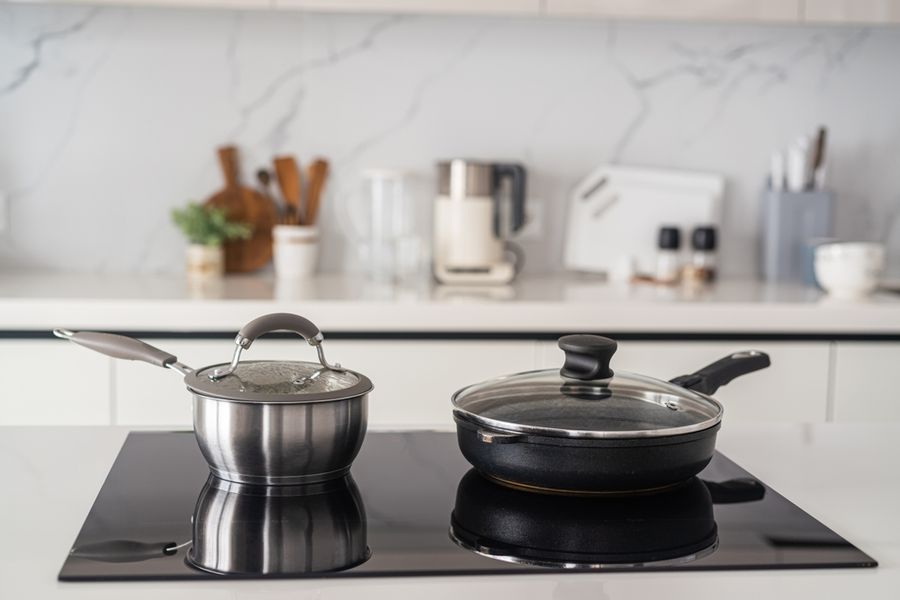
Replacing gas appliances with induction can feel like a big change, especially for households watching monthly bills. In the United States, many kitchens still rely on gas stoves, but induction cooking is becoming more common. The key question is not only “Does it work well?” but “Does it save money over time?” Understand that the answer depends on what is being replaced, how the home is set up, and how often cooking happens.
What Induction Is and What Actually Changes
Induction cooktops heat pots and pans using magnetic energy. The cooktop itself stays cooler than a gas flame or a standard electric coil, because most of the heat is created in the cookware. That difference matters for both comfort and efficiency in daily use.
Switching from gas to induction changes more than the cooktop. It can affect electrical needs, cookware needs, and sometimes kitchen airflow. Gas ranges often require a gas line and may benefit from strong ventilation. Induction usually needs a dedicated electrical circuit, depending on the model and the home’s current wiring. Cost-effectiveness is not just about the new appliance. It is about the full set of changes around it.
The Biggest Cost Drivers: Wiring, Panels, and Installation
For many homes, the largest expense is not the induction unit. It is the electrical work needed to support it . Some homes already have the right outlet, wiring, and available capacity in the electrical panel. In that case, the switch may be simple. Other homes may need upgrades, such as a new circuit, a panel update, or changes to the kitchen outlet.
This is why cost results vary so much from one household to another. If the kitchen is already set up for an electric range, induction may be a straightforward swap when the old unit reaches the end of its life. If the home is older, or the panel is near capacity, the upgrade work can be the deciding factor.
Installation also matters. Gas appliances require safe shutoff and sometimes a cap on the line if gas is no longer used. Induction installation is mostly electrical and leveling, but it still needs a proper setup. A cost-effective plan usually starts with a simple home check: what power is available now, and what upgrades would be required.
Monthly Bill Impact: Energy Use and Cooking Habits
Induction can help reduce energy waste during cooking because it heats cookware directly and responds quickly. That can mean less heat lost to the air compared with gas. In practice, savings depend heavily on cooking habits. A household that cooks often, boils large pots, and uses the oven daily may notice more impact than a household that cooks only a few times a week.
It also helps to think beyond the stove. Gas cooking adds heat to the kitchen, especially in warm months. That extra heat can make air conditioning work harder. Induction tends to add less extra heat to the room. In some climates and homes, that can be a quiet but real benefit.
Still, it is important to keep expectations realistic. Cooking is only one part of a home’s energy use. If the goal is to cut monthly bills, induction can help, but it is rarely the single biggest lever. The best results usually come when induction is part of a larger plan, like improving insulation, sealing air leaks, and using efficient heating and cooling.
Cookware and Accessories: Hidden Costs and Easy Wins
Induction requires cookware that works with magnets. Many stainless steel and cast iron pans work well. Some aluminum and copper pans do not, unless they have a magnetic base. This can add cost if a household needs to replace several pots and pans at once.
There are ways to manage this without replacing everything. First, test current cookware with a simple magnet. If it sticks firmly to the bottom, it should work. Second, prioritize only the pieces used most often. A household may only need a few core items at first, like a frying pan, a saucepan, and a larger pot.
Another small cost is learning new habits. Induction is fast and precise, so food can cook quicker than expected at the start. That is not a money cost, but it can affect the first few weeks of use. Once the learning curve passes, many people find that the control helps reduce wasted time and reduces overcooking mistakes, which can also reduce food waste.
When Induction Makes Financial Sense
Induction can be cost-effective, but the answer depends on the home and the timing. The strongest financial cases happen when a gas stove is already due for replacement and the home has electrical capacity in place.
Costs can rise if major wiring or panel upgrades are needed, or if a full cookware replacement is required. For many households, the best move is to plan ahead, check electrical needs early, and consider a gradual switch using portable induction first.