

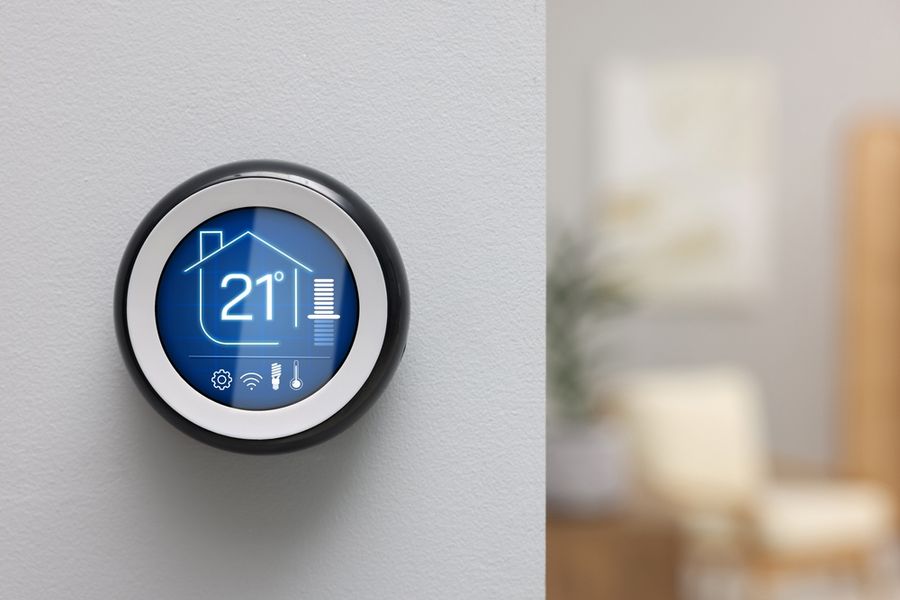
Heating a home is one of the largest ongoing expenses for many households in the United States. Small changes in how a heating system is used can lead to meaningful savings over time. Smart thermostats are designed to make those changes automatic and easier to manage. By adjusting temperature settings based on schedules, behavior, and conditions inside the home, smart devices help reduce wasted energy while keeping living spaces comfortable.
What Makes a Thermostat “Smart”
A smart thermostat connects to a home’s heating system and uses software to control when and how that system runs. Unlike basic thermostats, which rely on manual changes, smart models can follow set schedules or adjust automatically. Many connect to Wi-Fi and can be controlled through a phone or tablet. This allows users to change settings even when they are not at home, helping prevent unnecessary heating.
Smart thermostats also use sensors and data to make decisions. Some detect whether anyone is home, while others respond to outdoor weather conditions. By reacting to real-world use instead of fixed settings, these devices help reduce heating time when it is not needed.
Smarter Scheduling Reduces Waste
One of the main ways smart thermostats lower heating costs is through better scheduling. Traditional thermostats often stay at the same temperature all day and night. This means energy is used even when people are asleep or away.
Smart thermostats allow detailed schedules based on daily routines. Heating can be reduced during work hours and increased shortly before people return home. Overnight temperatures can be lowered automatically and raised again before waking hours. Over time, these small changes reduce total heating use without requiring daily manual adjustments.
Many smart thermostats also learn routines over time. After observing repeated changes, the device can begin to adjust temperatures on its own, reducing the chance of heating an empty house.
Remote Control and Real-Time Adjustments
Remote access is another key feature that helps manage heating costs. With a smart thermostat, temperature settings can be adjusted from a mobile device. This is useful when plans change unexpectedly. If a household leaves earlier than planned or returns later, the heating schedule can be updated right away.
This type of control helps avoid common issues, such as forgetting to lower the heat before leaving for a trip. Over the long term, avoiding these mistakes can lead to noticeable reductions in heating usage. Remote access also makes it easier to respond to sudden weather changes without overcorrecting and wasting energy.
Learning Features and Energy Feedback
Many smart thermostats include learning features and energy reports. These tools show how often the heating system runs and how settings affect usage. Clear feedback helps households understand which habits increase energy use and which ones help reduce it.
Some devices offer simple suggestions, such as adjusting temperature ranges or improving schedules. By following these insights, users can fine-tune their settings over time. This ongoing adjustment process is one of the reasons smart thermostats can provide long-term savings instead of one-time improvements.
The ability to see patterns also helps identify problems, such as heating systems that run too often. Catching these issues early can prevent higher energy use and reduce wear on equipment.
Integration With Other Smart Home Devices
Smart thermostats often work with other smart home products. For example, they can connect with smart sensors, smart vents, or voice assistants. When combined, these systems allow more precise heating control.
Room sensors can tell the thermostat which areas of the home are in use. Heating can then focus on occupied rooms instead of the entire house. Smart vents can adjust airflow to balance temperatures more evenly. These features help prevent overworking the heating system, which supports lower energy use over time.
Integration also makes it easier to manage settings through simple voice commands or automation routines, reducing the need for manual changes.
Long-Term Impact on Heating Systems
Reducing heating costs is not only about using less energy. Smart thermostats can also help heating systems run more efficiently. By avoiding constant on-and-off cycles and extreme temperature changes, the system experiences less strain.
More consistent operation can support better performance over time. This can reduce the chance of sudden breakdowns and help the system last longer. While this does not remove the need for regular maintenance, it can support steadier operation and fewer unnecessary heating cycles.
A Practical Tool for Ongoing Savings
Smart thermostats reduce heating costs over time by improving control, reducing waste, and encouraging better habits. Through scheduling, remote access, learning features, and integration with other devices, they help households use heating only when it is needed.
Instead of relying on constant attention, these systems automate smart decisions. For many homes, that steady efficiency adds up to meaningful savings while maintaining comfort throughout the heating season.