

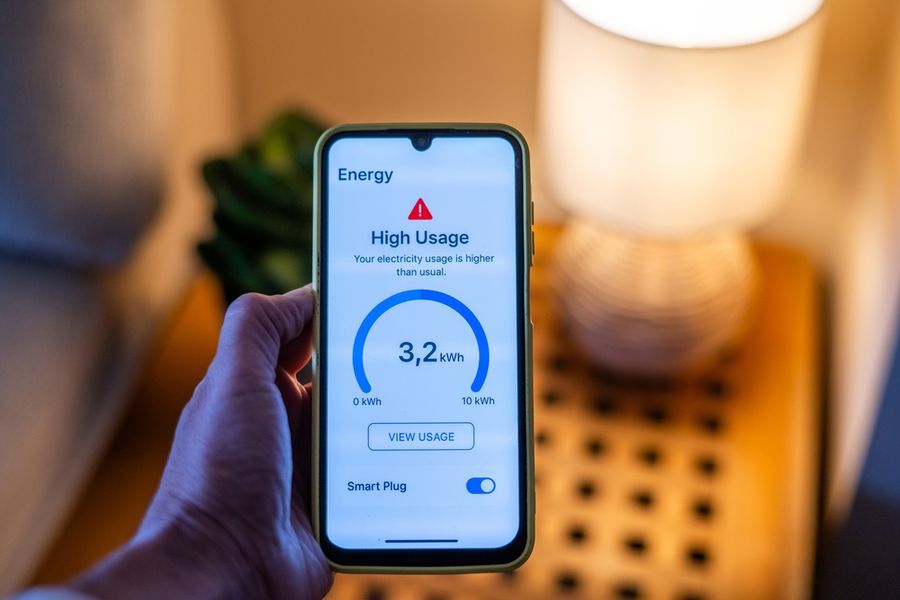
Many households focus on cutting energy costs by upgrading appliances or adjusting thermostat settings. Yet hidden energy waste often comes from everyday devices running quietly in the background. Energy monitoring devices are designed to reveal where electricity is being used and when it is being wasted. By making energy use visible, key tools help households identify ongoing cost leaks that are easy to miss and hard to fix without clear data.
What Energy Monitoring Devices Are and How They Work
Energy monitoring devices track electricity use inside a home. Some connect directly to the electrical panel, while others plug into individual outlets. Panel-based monitors measure overall energy flow and can often break usage down by appliance patterns . Plug-in monitors focus on specific devices, such as refrigerators, heaters, or entertainment systems.
These devices collect data over time and display it through apps or dashboards. The information shows how much electricity is being used, when usage spikes occur, and which devices are likely responsible. This real-time and historical view helps turn energy use from a guess into something that can be measured and managed.
Identifying Always-On Devices and Standby Power
One of the most common cost leaks in a home comes from devices that never fully turn off. Electronics like routers, game consoles, cable boxes, and smart speakers often draw power even when not in use. This standby use is easy to overlook because each device uses only a small amount of energy.
Energy monitoring devices make this hidden use visible. By showing steady power draw throughout the day and night, they highlight which devices are always on. Once identified, households can decide whether to unplug certain items, use smart power strips, or adjust settings to reduce standby use.
Over time, reducing this constant draw can lead to steady savings without changing daily routines.
Spotting Inefficient or Failing Appliances
Older or failing appliances can use more energy than expected. Refrigerators, freezers, water heaters, and HVAC systems are common examples. A device that runs longer or cycles more often than normal may be wasting energy without showing obvious signs of failure.
Energy monitoring devices help spot these patterns. Sudden increases in usage or unusual run times can signal a problem. This allows homeowners to address issues early, such as cleaning coils, adjusting settings, or scheduling maintenance.
Catching inefficiency early can prevent higher energy use and avoid sudden breakdowns. In some cases, the data can also support decisions about repair versus replacement by showing how much energy an appliance is using over time.
Understanding Daily Habits and Usage Patterns
Energy use is shaped by habits as much as equipment. Energy monitoring devices help show how daily activities affect electricity use. For example, cooking, laundry, or working from home can cause noticeable spikes.
By reviewing usage patterns, households can identify opportunities to shift or reduce energy use. Running certain appliances during off-peak hours or avoiding unnecessary use during high-demand times can help control costs.
The goal is not to eliminate comfort or convenience, but to make informed choices. Seeing the impact of small changes can encourage habits that reduce waste without major lifestyle changes.
Using Data to Make Smarter Upgrades
Many households consider upgrades like efficient appliances, insulation, or solar panels. Energy monitoring devices provide data that can guide these decisions. Instead of guessing where the biggest savings might come from, homeowners can see which areas of energy use are highest.
This targeted approach helps avoid spending money on upgrades that have little impact. For example, replacing a rarely used appliance may not matter as much as improving a system that runs daily. Monitoring data helps focus attention where it matters most.
It can also help measure the impact of changes. After an upgrade or adjustment, energy use can be tracked to see whether the expected improvement actually happens.
Installation and Ease of Use
Most energy monitoring devices are designed for home use and focus on simple setup. Plug-in monitors require little effort, while panel-based systems may take more time and may require professional installation depending on comfort level and local rules.
Once installed, most systems run in the background. Alerts and summaries can be set to highlight unusual usage or daily trends. This keeps the information useful without requiring constant attention.
Ease of use is important because long-term value depends on regular review, not one-time checks.
Turning Hidden Energy Waste Into Clear Action
Energy monitoring devices help identify household cost leaks by making electricity use visible and understandable. By revealing always-on devices, inefficient appliances, and habit-driven spikes, they give households the tools to act with confidence.
Instead of guessing where energy is being wasted, homeowners can focus on real data. Over time, this clarity supports steady savings and smarter energy decisions without sacrificing comfort or convenience.