

Windows play a bigger role in home energy use than many people realize. In homes across the United States, older or poorly sealed windows can let heat escape in winter and allow unwanted heat inside during summer. Energy-efficient windows are designed to limit that loss. Homeowners often ask how long it takes for energy-efficient windows to pay for themselves. The answer depends on several clear factors, including climate, window condition, and how the home is heated and cooled.
How Energy-Efficient Windows Reduce Energy Use
Energy-efficient windows are built to slow the movement of heat between the inside and outside of a home. They often use multiple panes of glass, special coatings, and improved seals around the frame. Together, these features help keep warm air inside during cold months and block heat during warm months.
This improved performance means heating and cooling systems do not need to run as often. When a furnace or air conditioner works less, energy use drops. Over time, that reduced demand leads to lower monthly utility bills . The savings are usually steady rather than dramatic, but they add up year after year.
Another benefit is improved comfort. Rooms near older windows often feel colder in winter or warmer in summer. Better windows help even out temperatures, which can reduce the need to adjust the thermostat.
Key Factors That Affect the Payback Timeline
The time it takes to recoup the investment depends heavily on the starting point . Homes with very old or damaged windows often see results sooner than homes with newer double-pane windows. If the current windows allow drafts or show signs of moisture between panes, the improvement from replacement is usually more noticeable.
Climate also matters. Homes in areas with long winters or hot summers rely more on heating and cooling. In these regions, energy-efficient windows can have a larger impact because they reduce energy loss during extreme weather. In milder climates, the timeline may be longer because heating and cooling demands are lower.
Home size and layout play a role as well. Larger homes or homes with many windows have more surface area where heat can escape. Replacing windows in these homes can lead to broader energy improvements, though the initial investment may also be higher.
Installation Quality and Long-Term Performance
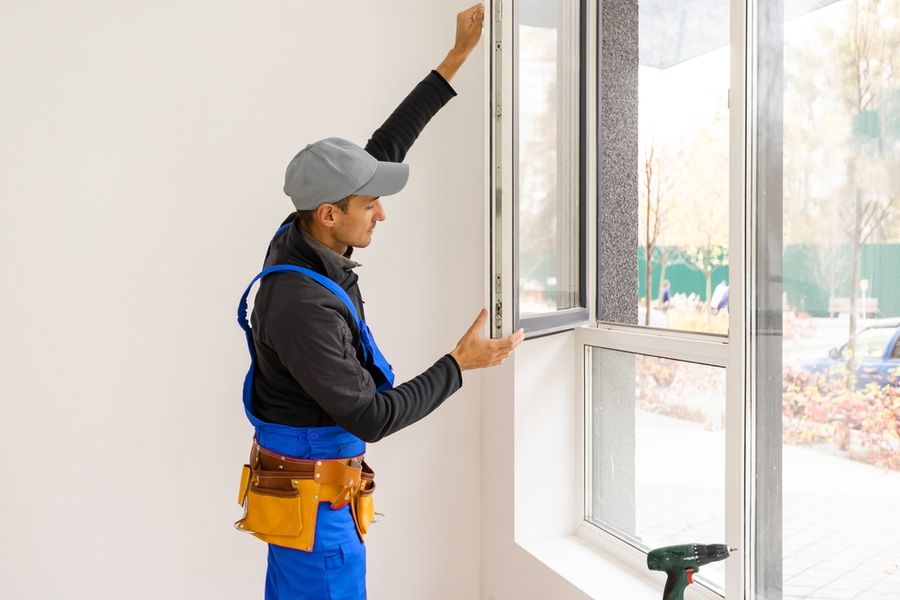
Even the best window will not perform well if it is installed poorly. Gaps, uneven frames, or weak sealing can reduce the energy benefits. Proper installation ensures that the window performs as designed and prevents air leaks around the edges.
This is important for long-term savings. A well-installed window continues to perform year after year with little maintenance. Poor installation can lead to drafts, moisture problems, and reduced energy control, which can delay or reduce the return on investment.
Maintenance also matters. Energy-efficient windows are generally low maintenance, but seals, locks, and frames should still be checked over time. Keeping windows in good condition helps preserve their energy performance and avoids early replacement costs.
Energy Savings Beyond Monthly Utility Bills
Lower energy bills are the most direct financial benefit, but they are not the only one. Energy-efficient windows can reduce wear on heating and cooling systems. When these systems run less often, they may last longer and need fewer repairs. That can help avoid unexpected costs over time.
There can also be value beyond energy use. Many homeowners find that updated windows improve comfort and reduce outside noise. While these benefits are harder to measure in dollars, they can still affect how satisfied people are with their homes.
In some cases, energy-efficient windows may also improve resale appeal . Buyers often look for homes with newer windows because they signal lower future maintenance and energy concerns. This does not guarantee a higher sale price, but it can support stronger interest in competitive markets.
Timing the Upgrade for Better Results
The decision to replace windows is often easier when done at the right time. Replacing windows that are already failing, hard to open, or visibly damaged can be more cost-effective than replacing windows that still perform reasonably well.
Another smart time is during a renovation or siding project. When walls or exterior materials are already being worked on, window replacement may be simpler and more efficient. Planning ahead helps avoid rushed decisions and allows homeowners to compare options carefully.
Some homeowners choose to replace windows in stages. Starting with the most draft-prone rooms or the windows that face the strongest sun can spread costs over time while still delivering gradual energy improvements.
Understanding the Payback Timeline
Energy-efficient windows offer steady savings rather than instant results. The timeline to recoup the investment depends on climate, window condition, installation quality, and overall home energy use. Homes with older windows and higher heating or cooling needs tend to see faster returns.
While the financial payoff takes time, the added comfort, reduced system strain, and long-term energy control make energy-efficient windows a practical upgrade for many households when planned carefully.