

Pest problems can appear in almost any home, from ants in the kitchen to rodents in the garage. When it happens, homeowners in the United States often face a choice between handling the problem themselves or hiring a professional service. At first glance, do-it-yourself pest control may seem cheaper. Professional services can look expensive by comparison. However, the real cost depends on more than the first visit or product purchase.
What DIY Pest Control Usually Involves
DIY pest control often starts with store-bought products such as sprays, traps, baits, or powders. These are widely available and easy to use, which makes them appealing for quick problems. Many people also turn to home remedies or online guides to handle common pests.
The direct cost of DIY methods is usually spread out over time. Products may need to be replaced, reapplied, or combined with other tools. If the pest problem returns, more supplies are often needed. Time is another factor. Researching solutions, applying treatments, and checking results all take effort, even if there is no direct bill.
DIY methods tend to work best for small or early problems. A few ants, spiders, or flies can often be handled this way. When infestations grow or involve hidden nests, the limits of DIY approaches become clearer.
What Professional Pest Control Services Provide
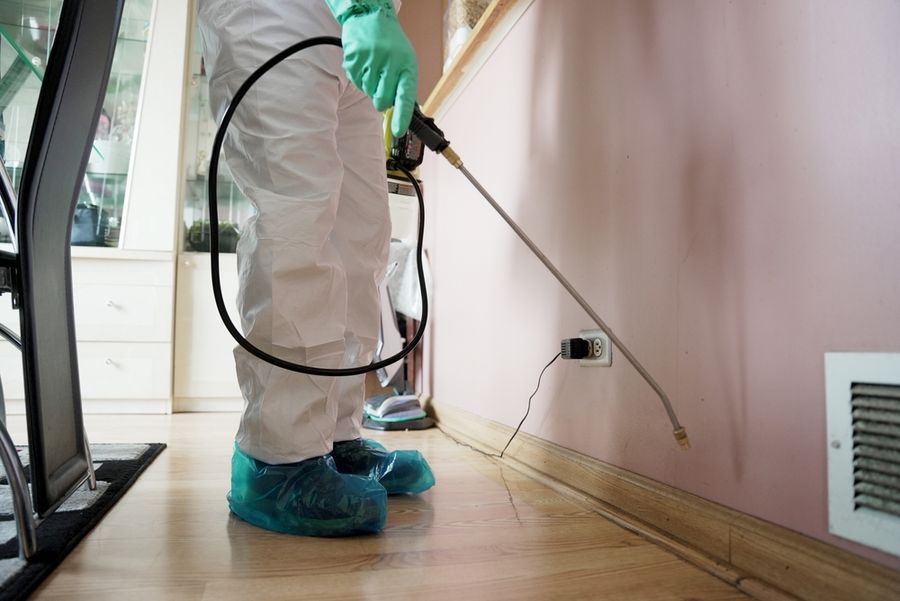
Professional pest control services focus on inspection, treatment, and follow-up. A trained technician identifies the pest, locates entry points, and applies treatments suited to that situation. This often includes areas that are hard to reach or easy to miss, such as wall gaps, crawl spaces, or exterior foundations.
These services often follow a schedule, with repeat visits to ensure pests do not return. The cost includes both labor and materials, as well as the expertise behind them. While this approach can seem costly upfront, it may reduce repeat treatments .
Professionals also tend to address the cause of the problem, not just the visible pests. This may include sealing entry points or advising on changes that reduce future risk. These steps can affect long-term costs by lowering the chance of repeat infestations.
Short-Term vs. Long-Term Cost Differences
In the short term, DIY pest control almost always costs less . Buying a trap or spray is cheaper than scheduling a service visit. For simple issues, this can be the most practical choice.
Over the long term, the picture can change. If pests keep coming back, repeated DIY purchases can add up. Each new attempt may involve a different product or method. Over time, this can approach or even exceed the cost of professional treatment.
There is also the risk of damage. Some pests, such as termites or rodents, can cause serious harm if not controlled quickly. Delayed or incomplete treatment can lead to repair costs that far exceed any savings from DIY efforts. In these cases, professional help can reduce overall financial risk.
Effectiveness and Its Impact on Cost
Effectiveness plays a major role in total cost. A solution that works once and fully solves the problem is usually cheaper in the long run than one that needs constant repeat use. DIY methods vary widely in how well they work. Success often depends on correct identification and proper use.
Professional services tend to be more consistent because they rely on training and experience. That consistency can reduce guesswork and trial-and-error spending. When pests are hard to identify or control, the value of expertise becomes clearer.
Safety is another factor tied to effectiveness. Improper use of chemicals can lead to wasted product or health concerns. Professionals are trained to apply treatments correctly, which helps avoid unnecessary repeat applications.
Convenience, Time, and Hidden Costs
Time is an often overlooked cost. DIY pest control requires planning, purchasing supplies, applying treatments, and monitoring results. For some people, this time investment is acceptable. For others, it adds stress or leads to incomplete treatment.
Professional services reduce this burden . Once scheduled, the homeowner’s role is limited. While this convenience has a cost, it can also prevent missed steps that lead to repeat problems.
Hidden costs can appear with both options. DIY attempts may fail and require professional help later. Professional services may involve ongoing plans rather than one-time visits. Understanding the full scope of each option helps avoid surprises.
Choosing the Right Approach for the Situation
The type of pest and the size of the problem matter most. Small, visible issues are often good candidates for DIY control. Larger infestations, recurring problems, or pests that cause damage may justify professional help.
Some homeowners use a mixed approach. DIY methods handle minor issues, while professionals are called in for serious or repeated problems. This can help balance costs while keeping risks under control.
Comparing Total Cost, Not Just the First Bill
DIY pest control usually costs less at the start, but professional services can cost less over time when problems are serious or recurring. The true cost depends on effectiveness, time, and the risk of damage.
For minor pests, DIY methods often make sense. For larger or hidden infestations, professional services may reduce long-term expenses by solving the problem more completely.