

Heating and cooling costs are a major part of household expenses in the United States. Many homes lose energy through small gaps, thin insulation, or unfinished spaces. Full insulation upgrades can be expensive, but some do-it-yourself projects offer quicker returns than others. By focusing on simple improvements that stop air leaks and slow heat loss, homeowners can reduce energy waste and recover their investment faster than with large renovation projects.
Sealing Air Leaks Around Doors and Windows
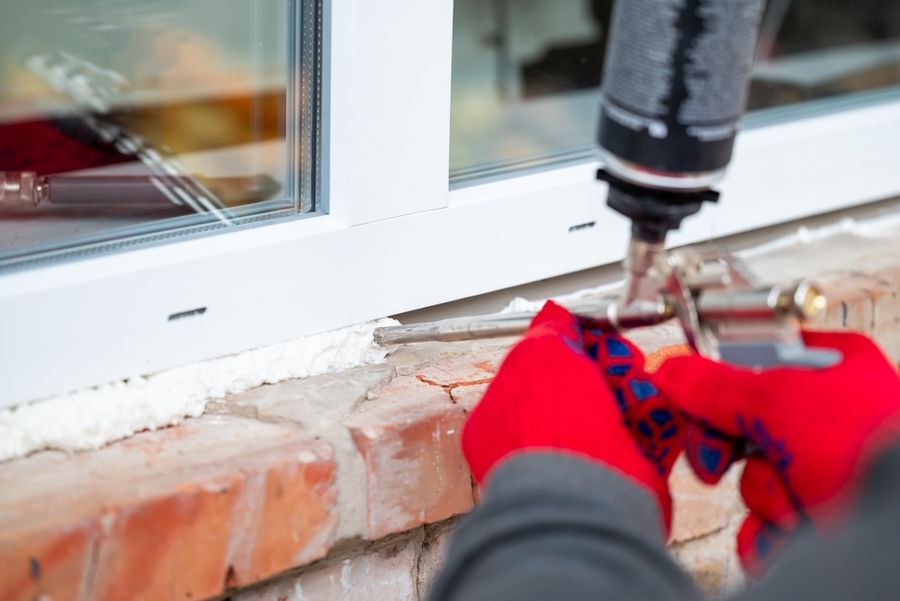
Air leaks are one of the fastest ways for heating and cooling to escape a home. Gaps around doors and windows allow outside air in and push treated air out. Sealing these areas is often one of the quickest DIY insulation projects to complete.
Common solutions include weatherstripping for doors and caulking for window frames. These materials are easy to apply and require basic tools. The key is to check for drafts and seal gaps completely, without blocking normal door or window operation.
Because this project targets direct air loss, the impact can be felt right away. Rooms may feel more comfortable, and heating or cooling systems may cycle less often. This combination supports faster cost recovery compared to larger insulation projects.
Insulating Attic Access Points and Hatches
Attics are a major source of heat loss , especially in homes with pull-down stairs or access hatches. These openings often have little insulation and allow warm air to rise and escape during colder months.
DIY solutions include insulating covers for attic stairs or adding rigid foam board and seals around access doors. These projects focus on a small area but can have a noticeable effect on overall energy control.
Since attic access points are usually easy to reach, these projects can be completed in a short time. Improving insulation at these spots helps protect the larger investment of attic insulation and prevents heat from escaping through one of the weakest points in the home.
Adding Insulation to Basements and Crawl Spaces
Basements and crawl spaces often remain unfinished and poorly insulated. Cold air from these areas can seep into living spaces above, forcing heating systems to work harder.
DIY insulation projects in these areas may include insulating rim joists, sealing gaps, or adding insulation to exposed walls. Foam boards and spray foam are common materials for these tasks.
These projects focus on areas where air movement is common. By slowing the flow of cold air, they improve comfort and reduce energy use. While basements and crawl spaces are out of sight, improvements here can support faster energy savings than cosmetic upgrades.
Insulating Hot Water Pipes and Ductwork
Heat loss does not only happen through walls and windows. Hot water pipes and heating ducts can also lose energy as heat escapes into unconditioned spaces. Insulating these systems helps keep heat where it is needed.
Foam pipe insulation is easy to install and fits around standard pipes. Duct insulation can be added to exposed sections in basements or attics. These projects require careful measurement but are generally straightforward.
By reducing heat loss along the way, water heaters and furnaces may run less often. This can improve system efficiency and reduce energy use, leading to quicker cost recovery compared to projects that involve large surface areas.
Window Insulation Films and Temporary Panels
Replacing windows can be costly, but temporary insulation options offer a DIY alternative with faster recovery. Window insulation films and removable panels help reduce drafts and heat loss during colder months.
These materials create an extra barrier between indoor air and the outside. Installation usually involves basic steps like trimming film and applying adhesive tape. While these solutions are not permanent, they can be reused or replaced as needed.
The benefit comes from improved comfort and reduced heating demand during peak seasons. Because installation is quick and materials are limited, these projects can provide noticeable short-term savings.
Prioritizing Projects for Faster Results
Not all insulation projects offer the same return. The fastest cost recovery usually comes from projects that target air movement rather than adding large amounts of material. Stopping leaks often provides more immediate results than adding insulation to already protected areas.
A simple home inspection can help identify problem spots. Feeling for drafts, checking attic access points, and inspecting basements are good starting steps. By focusing on these areas first, homeowners can achieve better results with less effort.
Small DIY Projects With Real Energy Impact
DIY insulation projects with the fastest cost recovery focus on sealing gaps and protecting weak points in the home. Air sealing around doors, attic access insulation, basement improvements, and pipe insulation all target direct energy loss.
These projects are usually affordable, easy to complete, and effective quickly. By starting with these improvements, homeowners can reduce energy waste and enjoy steady savings without major renovations.